
Search Nome Census Area Sex Offenders
Nome Census Area sex offender searches often need more than one source because the area combines a remote setting with active police and court work. The statewide registry is the first step, but Nome also has court resources, police coverage, and detention facilities that shape the record trail. That makes it important to keep the search local and official. If you begin with the registry and then check the Nome court and city pages, you can build a clearer picture of a record without leaning on a copied summary.
Nome Census Area Sex Offenders Registry
The statewide registry at sor.dps.alaska.gov is the main public source for Nome Census Area sex offender searches. It covers the community and the broader census area, which matters because Nome sits in Western Alaska and the public record trail can cross police, courts, and correctional resources. The registry is the best first stop because it gives you the current public listing before you move into local context.
The Nome city site at nomealaska.org and the Alaska Courts Nome page at alaskacourts.org/nome-county help anchor the search to official local sources. The court page is especially useful because research notes the Nome Superior and District Court at 113 Front Street, phone (907) 443-5216. That gives you a real local place to tie the search to when the registry result needs a court-side check.
This Nome Census Area image comes from the Alaska Courts Nome page at alaskacourts.org.
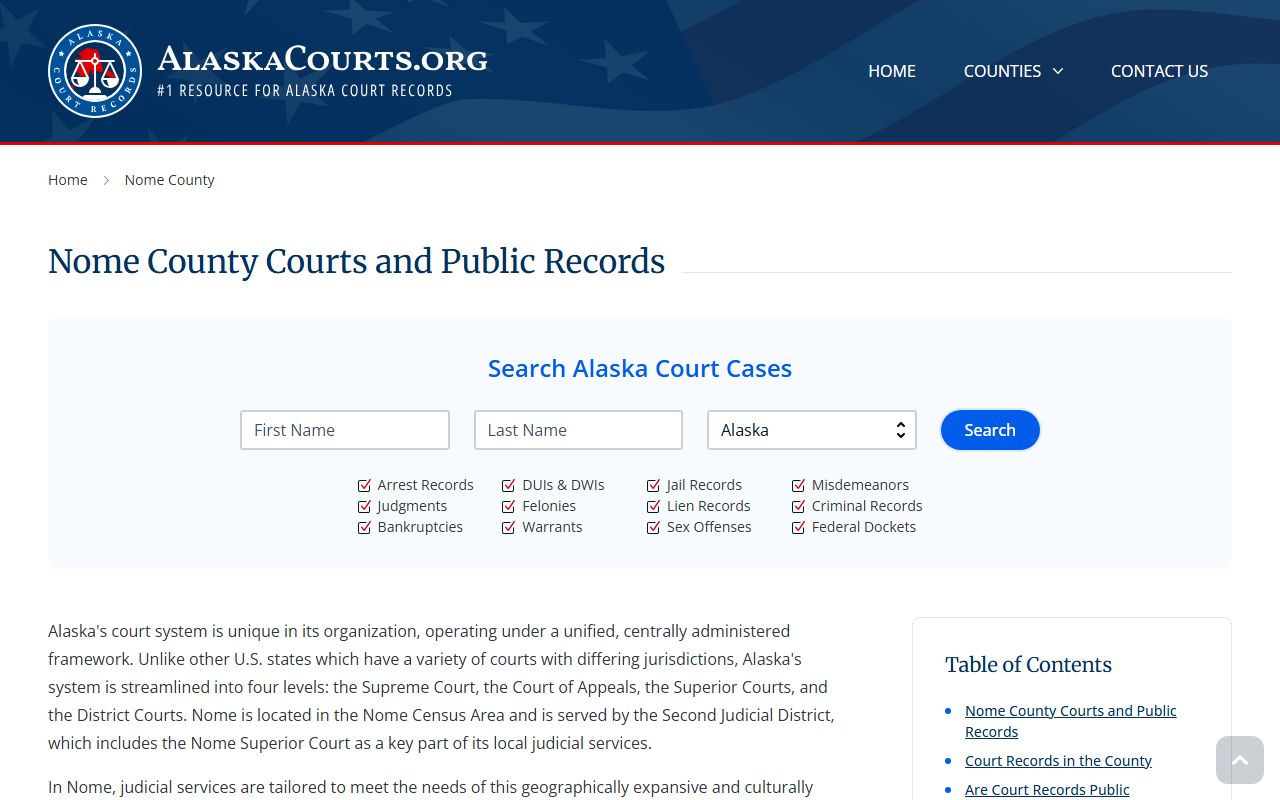
That court page is the best official anchor because it keeps the search tied to the actual local court rather than a third-party copy.
If you want a broader public-safety check, VINELink can help with custody or notice questions tied to related cases. It does not replace the registry, but it helps fill in the path when a local record overlaps with detention or supervision issues.
Nome Census Area Sex Offenders Records
Nome records are shaped by several local institutions. Nome Police serves the community, and Anvil Mountain Correctional Center houses inmates for the region. That means a search can touch police, court, and corrections before it feels complete. In practice, Nome Census Area is not a place where one source tells the whole story. It is a place where official pages have to be read together.
The city site at nomealaska.org is helpful because it keeps the record trail tied to the community that actually uses the search. The Alaska Public Media story at alaskapublic.org shows how sexual-assault kit testing and investigation issues have affected Nome. It is not a registry page, but it does explain why local record work can be slow and difficult. The community has had to deal with old kits, cold cases, and the work of sorting through them.
This Nome Census Area image points to the City of Nome at nomealaska.org.
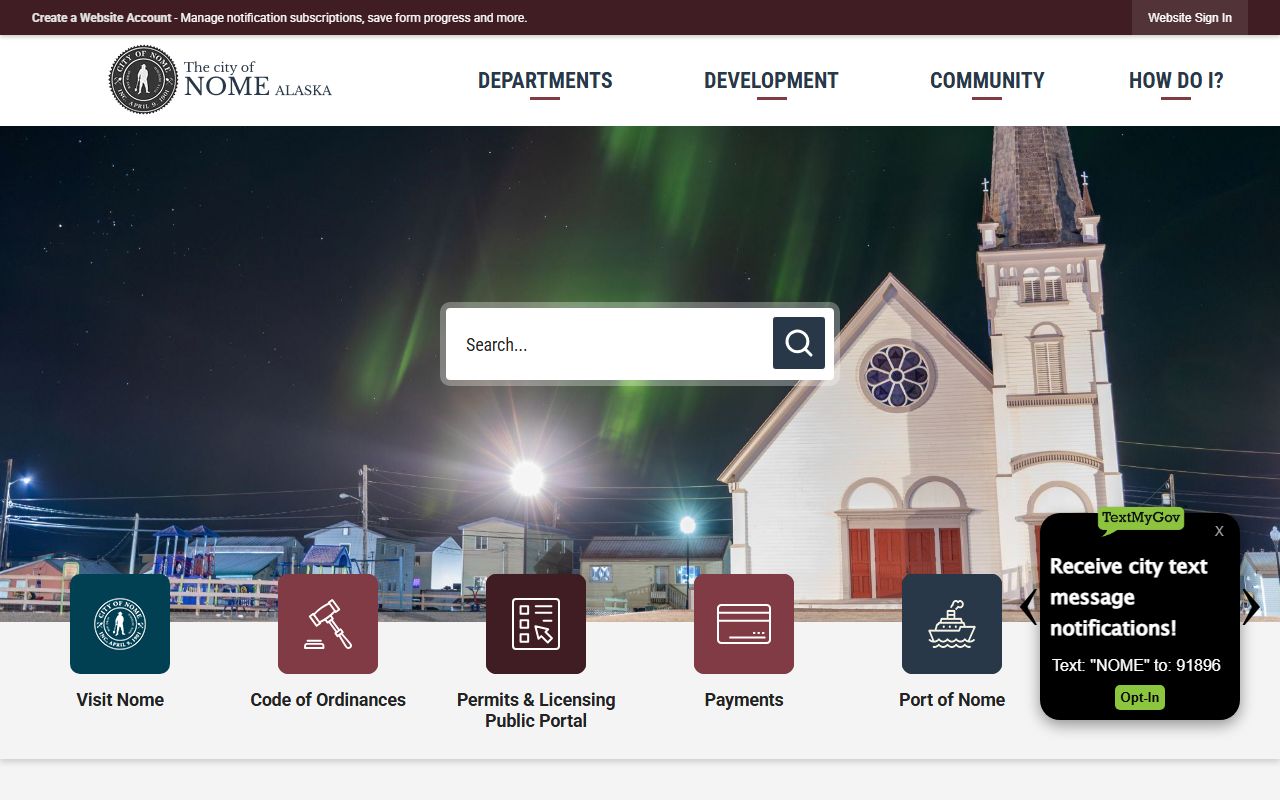
That city site is a solid local anchor. It keeps the search tied to the community instead of a broad statewide summary.
For another local perspective, KNOM's report at knom.org discusses the difficulties of sexual assault investigations in Nome. Those local reports matter because they help explain why a registry search may need extra follow-up. They also show that the public record trail is shaped by real local limits, not just by a state database.
Nome Census Area Sex Offenders and Region
The DPS felony-level sex offense report places Nome Census Area in Western Alaska, the region with the highest felony-level sex offense rate statewide. That is a key fact for the search because it gives the area a strong regional frame. The report also notes Alaska State Troopers C Detachment coverage for Nome. That means a Nome search is often tied to both local police and trooper resources.
Research from Alaska Public Media and KNOM adds more context. The reports describe sex-assault kit testing, cold-case work, and the challenge of investigating old cases in Nome. Those details do not change the registry, but they help explain the shape of the local record trail. When a community has old cases and difficult access conditions, a clean search path becomes more important, not less.
This Nome Census Area image comes from the Alaska Public Media story at alaskapublic.org.
That source is not an official registry, so it belongs in the image trail as a local context clue rather than a main body authority.
If you need legal context, Title 12, Chapter 63 explains the registration structure, while law.alaska.gov gives you a state-level source for related legal issues. Those pages help keep the Nome search grounded when the local record feels broad or hard to trace.
Nome Local Search Paths
Nome searches work best when you keep the local offices in mind. Nome Police, the court at 113 Front Street, and Anvil Mountain Correctional Center all matter when a record needs more than a statewide listing. That is why a registry result should be checked against the court page and, when needed, the city and local reporting pages. A remote community can still have a tight public record trail if you follow the right offices in the right order.
The official Nome page at nomealaska.org gives you the city side of that trail. The Alaska Courts Nome page shows where court access fits. The public media and KNOM reports show why investigation details can lag behind a registry entry. When you put those sources together, Nome Census Area sex offender searches become much easier to read and trust.
This final Nome Census Area image comes from the KNOM report at knom.org.
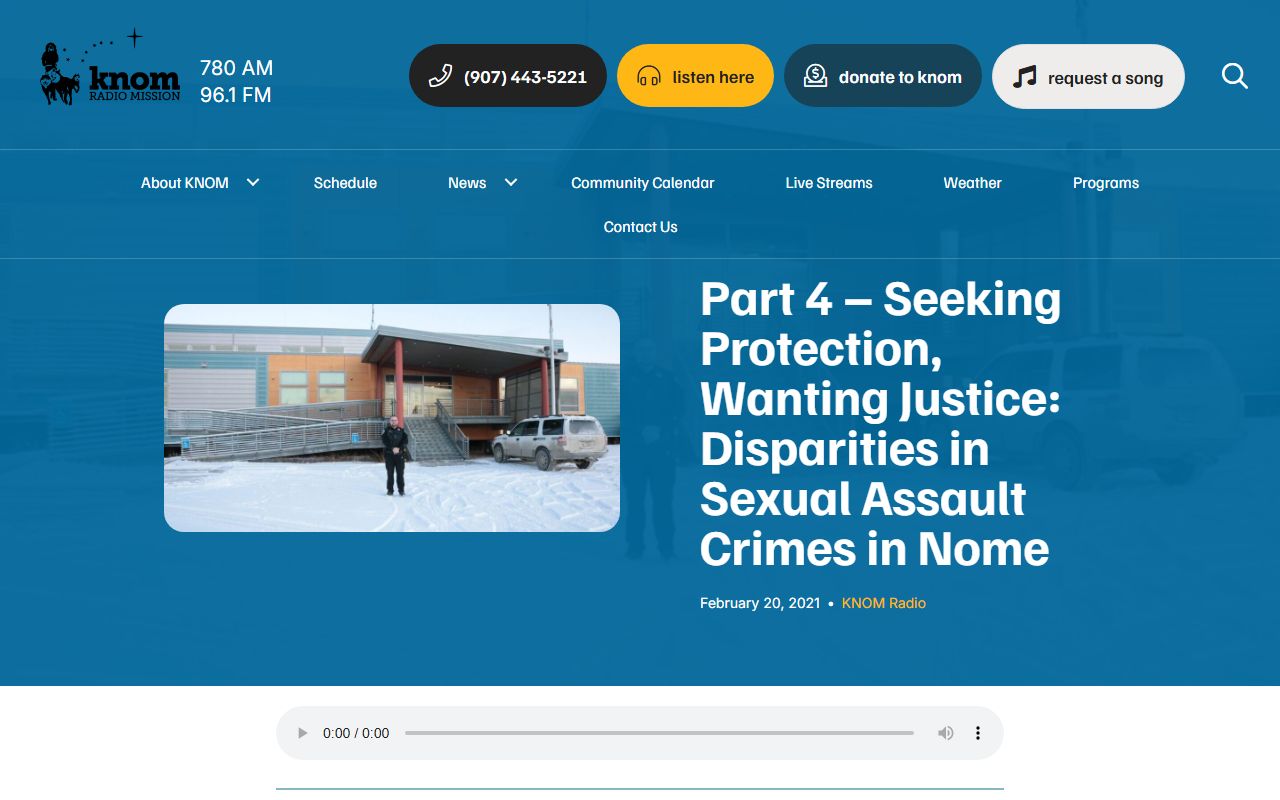
That image source is a local context cue only, but it helps show how the city has dealt with difficult investigation work over time.
Nome Census Area searches do not need a city grid if one would be forced. The better move is to stay close to the registry, court page, city site, and local reporting that actually belongs to Nome. That keeps the page local and avoids inventing a link that does not fit.