
Nikiski Sex Offenders Lookup
If you need Nikiski sex offenders information, the best path begins with the Alaska registry and then moves into Kenai Peninsula public safety sources when you need more local detail. Nikiski is a census-designated place on the Kenai Peninsula, so the search path is shaped by Alaska State Troopers, the Kenai Police Department, and nearby detention context rather than by a separate city registry office. That makes the state registry the right first step. It also makes later records easier to read because you can match the listing to the agency that likely handled the related file.
Nikiski Sex Offenders Registry
The statewide registry at sor.dps.alaska.gov is the main search tool for Nikiski sex offenders. It gives the public a direct way to check whether a person is listed, where a registration is tied, and what the current public record shows. That is the clean starting point because Nikiski does not have its own separate city registry. The Alaska system does the core work, and the local agency context fills in the rest when you need more than a name search.
Nikiski is served by the Kenai Police Department and Alaska State Troopers, so the record path can move in either direction depending on where the event happened. If a name shows up in the registry, the next question is often whether a city report, a trooper contact, or a broader public file sits behind it. The registry alone will not answer every local question, but it gives you a stable starting point and keeps the search tied to an official source.
That matters in Nikiski because the area is a CDP, not an incorporated city with a full local records office. When the search stays tied to the state registry, you avoid assuming that a separate Nikiski desk exists. That keeps the process practical. It also keeps the page aligned with the source material instead of with a generic Alaska layout that would blur the local details.
The registry search is especially helpful when a name is common or when an address is broad. A Nikiski entry may connect to a nearby road or a Kenai Peninsula location that is close to the CDP. The state registry gives you the public status view, but the local geography tells you how to read it. That combination is the best way to avoid a bad match.
A local image in the project materials helps place Nikiski in its broader Kenai Peninsula search area beside the official local and state sources.
This fallback image fits Nikiski because the community sits inside the Kenai Peninsula search area. Nikiski sex offenders searches often move through the county-level record frame before they settle on a more specific agency or case file.
A second image tied to the Wildwood facility page gives the Nikiski search a detention and facility reference.
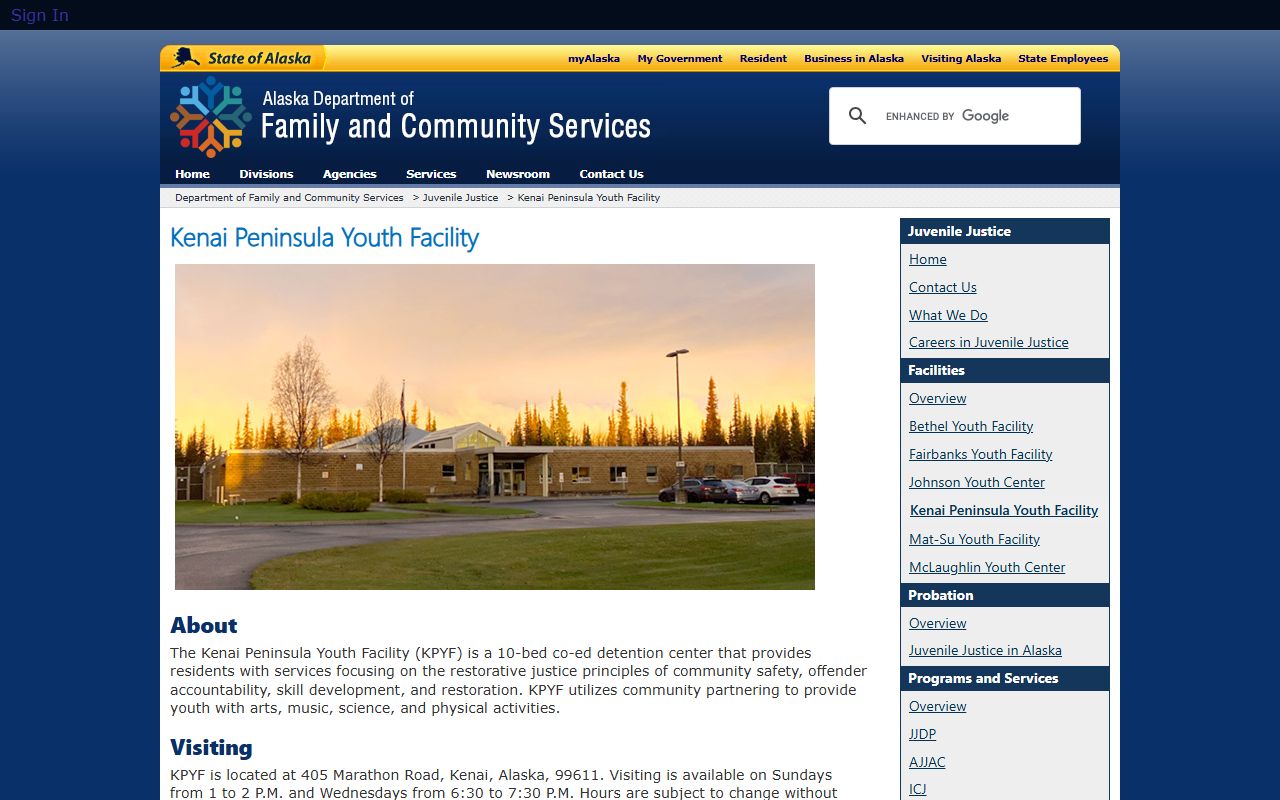
This image is useful because the research allows careful detention context for Nikiski. It does not change the registry path, but it helps show the broader public safety picture around the area.
Nikiski Sex Offenders Records Path
The local records path in Nikiski usually follows the Kenai Peninsula public safety structure. That means the Kenai Police Department may be the right city agency for a local record, while Alaska State Troopers may be the right match for a trooper-served incident. The research also notes the Wildwood Correctional Complex as part of the broader detention context. That does not make every Nikiski search a correctional search, but it does mean detention history can matter if the record trail points in that direction.
For a searcher, the main rule is simple: do not force the CDP into a city-office model it does not have. Nikiski sex offenders records are easiest to manage when you begin with the registry and then decide whether the next stop is a city police file, a trooper-related record, or a facility reference. The more exact the question, the better the result. That is especially true when a location name, a road, and a community label all show up in the same file set.
The county page for Kenai Peninsula Borough is the right companion when a Nikiski search needs the wider local frame. The nearby Kenai page also helps because Kenai Police is one of the main local agencies named in the research. Those companion pages do not replace the registry. They help you decide where the follow-up record is most likely to sit.
The safest process is to move from public listing to local records in small steps. Start with the registry. Then compare the location against Kenai Police and trooper context. If detention history appears relevant, check the facility reference carefully and only use it for that purpose. That keeps the search clean and prevents a broader record trail from turning into a guess.
Nikiski searches also improve when you keep the request narrow. A full name, date, or place clue helps the local agency figure out whether the file is city, state, or detention related. That kind of precision is valuable in a CDP setting because the surrounding peninsula has several overlapping place names and service areas.
Note: Nikiski records are easier to use when the registry result is matched to the right local agency before any follow-up request is made.
Nikiski Sex Offenders and State Tools
State tools add the rest of the picture. VINELink can help when the real question is custody notice or a status change instead of a plain registry lookup. For Nikiski sex offenders research, that can matter if a person moves in or out of a facility or if the record trail points toward detention status. VINELink is not the main search tool, but it is often the most useful one after the registry when notice is the issue.
The legal framework for the registry sits in Alaska Statutes Title 12 Chapter 63. That chapter explains the reporting rules that sit behind the public record and the reason the registry exists in the first place. For Nikiski, that helps connect the public listing with the state requirements that make the listing visible. It is useful background when you want to know why a record is public, not just whether it exists.
The Alaska Department of Law is another official source that matters when the search becomes broader than a basic listing. It helps with state legal context and the larger enforcement picture. That can be useful if a Nikiski search turns into a question about prosecution, public safety, or the legal side of a status update. It is a support source, not a replacement for the registry.
The state tools work best in the same order every time. Registry first. Local agency context second. VINELink and legal guidance after that if you need more. That keeps Nikiski sex offenders research focused on official sources and prevents the search from wandering into unrelated web pages or unverified summaries.
Nikiski sex offenders searches are especially clear when the local facility context stays in its proper place. The Wildwood reference matters only when detention history is part of the record trail. If it is not, the state registry and the Kenai Peninsula agency context are usually enough to answer the question.
Nikiski Related Records
The related Kenai Peninsula Borough page is the best broad companion for Nikiski sex offenders searches. It gives the county-level frame that helps you understand where the CDP fits into the wider peninsula record system.
The Kenai page is also useful because Kenai Police is one of the named local agencies in the research. If a Nikiski search leads you toward a city report or a local police contact, that page keeps the path simple.
Those related pages matter because Nikiski is not a standalone city with its own separate registry office. The registry, the local police role, and the detention context all sit in one broader Kenai Peninsula search path. Having the right companion pages keeps that path readable and practical.