
Homer Sex Offenders Search
If you need Homer sex offenders information, start with the statewide registry and then use Homer Police and Kenai Peninsula resources for local context. Homer sits at the southern tip of the Kenai Peninsula, so the city page works best when you treat it as a local records guide rather than a full county database. The state registry is the main public lookup. Homer Police gives you the city side. Together, they help you check status, follow a name, and move from a registry listing to a local record when that extra step is needed.
Homer Sex Offenders Registry Basics
The Alaska Sex Offender Registry at sor.dps.alaska.gov is the best first stop for Homer sex offenders searches. It gives the public a clear way to check names, locations, and registration status. Homer offenders register with Homer Police Department, so the city is part of the local registration path. That makes the registry and the police department the two main pieces you need to keep in view at the same time.
The official city site at cityofhomer-ak.gov is helpful because it keeps the municipal frame in one place. Homer is not just a point on the peninsula. It is a city with its own local structure, and that structure matters when you are tracking a sex offender listing or a related public record. The city site gives you the civic context that helps you see where the police office fits.
Sex offender information is not limited to the city page. The Alaska Department of Law at law.alaska.gov and the Alaska registry both matter when you want to understand the public record in a broader state setting. Those sources give Homer sex offenders research a stronger base than a single local page can provide. They also help confirm that the registry is the public source of truth, not a city rumor or a third-party list.
The Kenai Peninsula research also points to a practical detail. Homer Police maintains arrest records, and the Homer Community Jail houses inmates. That custody context can matter when a registry search leads to a police contact or a recent local case. It does not replace the registry, but it does help explain where a related Homer sex offenders record may sit after a law-enforcement event.
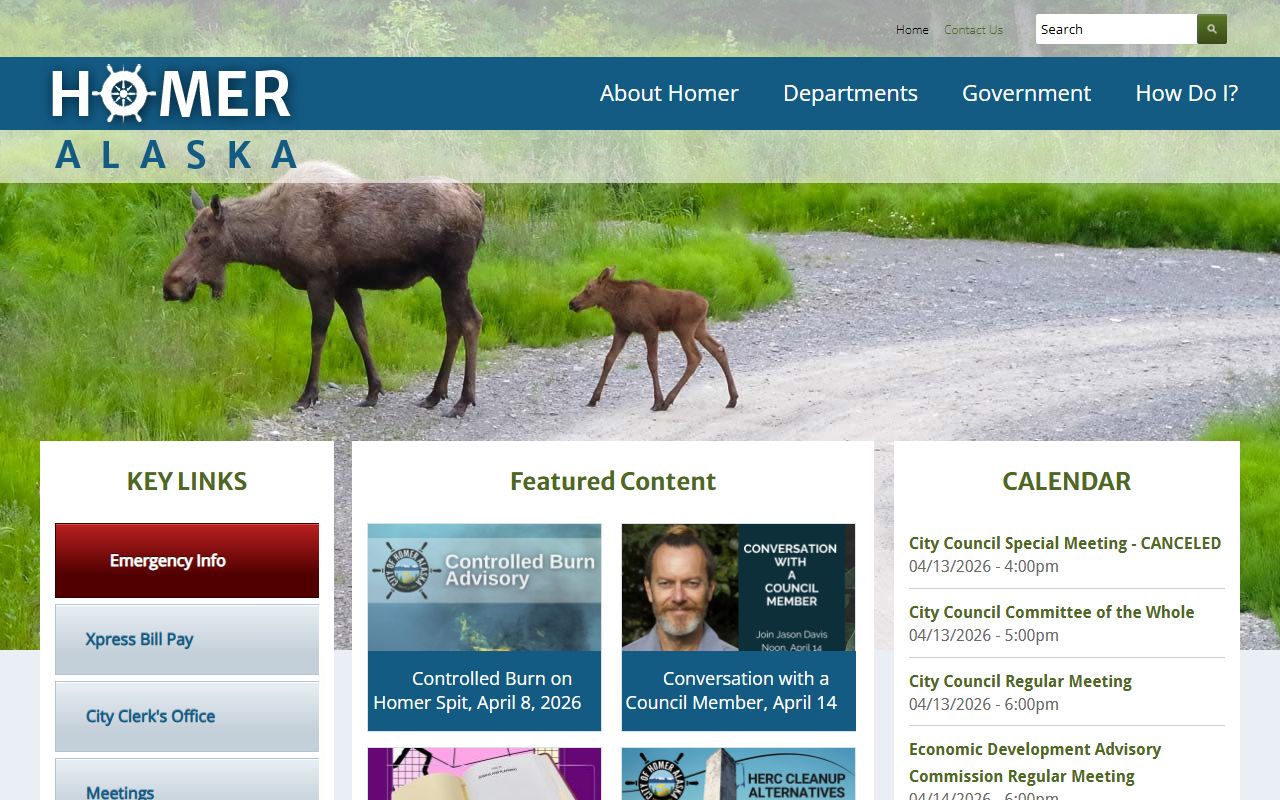
This city image is a clean lead-in to Homer sex offenders research because it points back to the official city site. Use it as the visual anchor while you do the real search on the state registry and the police pages.
The county fallback image can help when you want a broader Kenai Peninsula lead-in tied to public records.
That image is sourced from a low-quality third-party page, so treat it as a visual lead-in only. The facts for Homer sex offenders should come from the official registry and city sources above.
Homer Police Records Access
Homer Police is the local office that matters when a registry search leads to a city record. If you need a report or related law-enforcement file, the city police are the place to ask first. Homer Police maintains arrest records, and that makes it a useful step after the public registry search. The city website at cityofhomer-ak.gov gives the official entry point into the local government side of the search.
Use the narrowest facts you have. A name, a date, or a location will help. That is true for the registry and even more true for local records. If you can tie a Homer sex offenders search to a particular incident or address, you are more likely to get the right record the first time. Broad questions tend to slow the process and can pull you away from the file you actually need.
The Homer Community Jail gives useful custody context when a search involves a current or recent detention issue. The nearby Wildwood facility is also part of the peninsula detention picture, but the city jail reference is the more local note for Homer. None of that changes the registry path. It just gives you a better sense of where a police record or custody question might lead after the first search.
For longer searches, combine the city site, the registry, and the law page. That keeps the Homer sex offenders process focused on official records rather than guesswork. It also makes it easier to confirm whether the person you found in the registry is the same person who appears in a local police file.
Note: Homer records work best when you begin with the registry and then use the police office only for the specific file you need.
Homer Sex Offenders and State Tools
State tools fill in the rest of the search. VINELink can help if custody status matters. It is the right tool when you need to watch for a release, transfer, or other notification event that affects a Homer sex offenders search. The legal rules behind the registry are set out in Alaska Statutes Title 12 Chapter 63, which explains the registration framework that supports the public record.
The Alaska Department of Law at law.alaska.gov gives the broader legal context. That page matters when a search touches prosecution, public access, or the rules that govern a record's release. When you use it with the registry, it helps you understand why a record is public, why another one may be limited, and why the search result looks the way it does.
For Homer sex offenders research, the registry remains the main public lookup. The city site and state law are there to support it, not replace it. That simple order is the cleanest way to keep the search local while still making sure you are using the right statewide tools. It also keeps you from relying too much on numbers or summaries that may age quickly.
Research notes may show a count of registered offenders at a point in time, but that is not the same as a live official number. Use the registry for the current status. Treat any other count as a snapshot only. That rule keeps Homer sex offenders work grounded in the public record, not in stale third-party summaries.
Homer Related Records
The related Kenai Peninsula Borough page gives the broader borough view. That is useful when a Homer sex offenders search reaches beyond the city and into peninsula-wide records or registry context.
Homer sex offenders searches often work best when you keep the city and borough roles separate. The city page gives you the local office. The borough page gives you the wider peninsula frame. The registry ties them together as the public status tool.
If you are comparing names, dates, or locations, use the city page, the registry, and the related borough page together. That is the most reliable path for Homer.